
Machine pressure
Espresso brewing guide
Nine bars, thirty seconds, everything at stake.
- Difficulty
- Brew time
- 1–2 min
The science
Espresso is percolation at the extreme: water forced through a compacted bed of finely ground coffee at around nine bar, dissolving in 25–35 seconds what other methods take minutes to extract. The fine grind is the enabler — enormous surface area for fast dissolution, and enough hydraulic resistance to hold the water back long enough to do its work. Everything difficult about espresso follows from that density: at this pressure, water exploits any weakness in the puck, and a single crack or loose corner becomes a channel that gushes while the rest of the bed under-extracts.
That is why puck preparation is not fussiness — it is the extraction. Even distribution before tamping, a level tamp, and consistent dosing decide whether water moves through the coffee uniformly. Grind setting is your primary lever and it is brutally sensitive: one step finer can add ten seconds to a shot. Dial in by taste against time — a standard starting recipe is 18 g in, 36 g out (a 1:2 ratio) in 25–32 seconds at 92–96 °C. Sour, thin, and fast means grind finer or extract longer; bitter, dry, and slow means coarser or shorter.
Crema is CO₂. Pressurized water supersaturates with the gas trapped in freshly roasted coffee, and it comes out of solution as fine bubbles stabilized by emulsified oils. It tells you about freshness, not quality — plentiful crema means recently roasted beans, nothing more. Judge the shot by the liquid underneath.
The essentials
- Grind
- fine — table salt · 6–14/100
- Ratio
- 1:1.5–1:2.5
- Brew time
- 0:25–0:35
- Water temp
- 90–96 °C
- Agitation
- None in the shot — distribution and a level tamp before it
Brew Espresso with a guided timer.
Blend paces every pour, holds the Espresso to its numbers, and saves what you change for next time. Launching soon on iOS and Android.
Recipes for the Espresso
7 recipes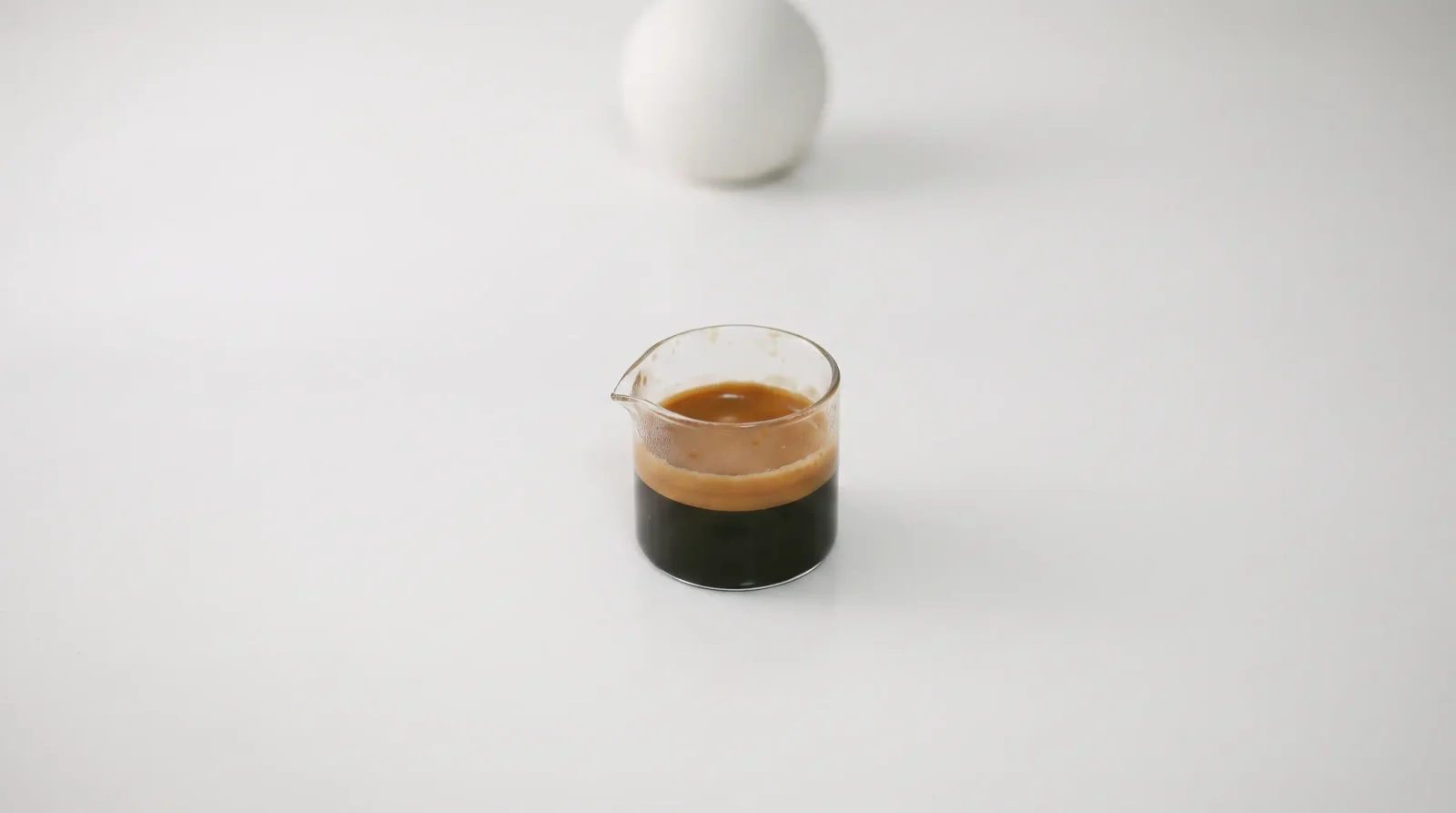
Espresso — Straight Shot
Espresso · Double Espresso
- intense
- syrupy
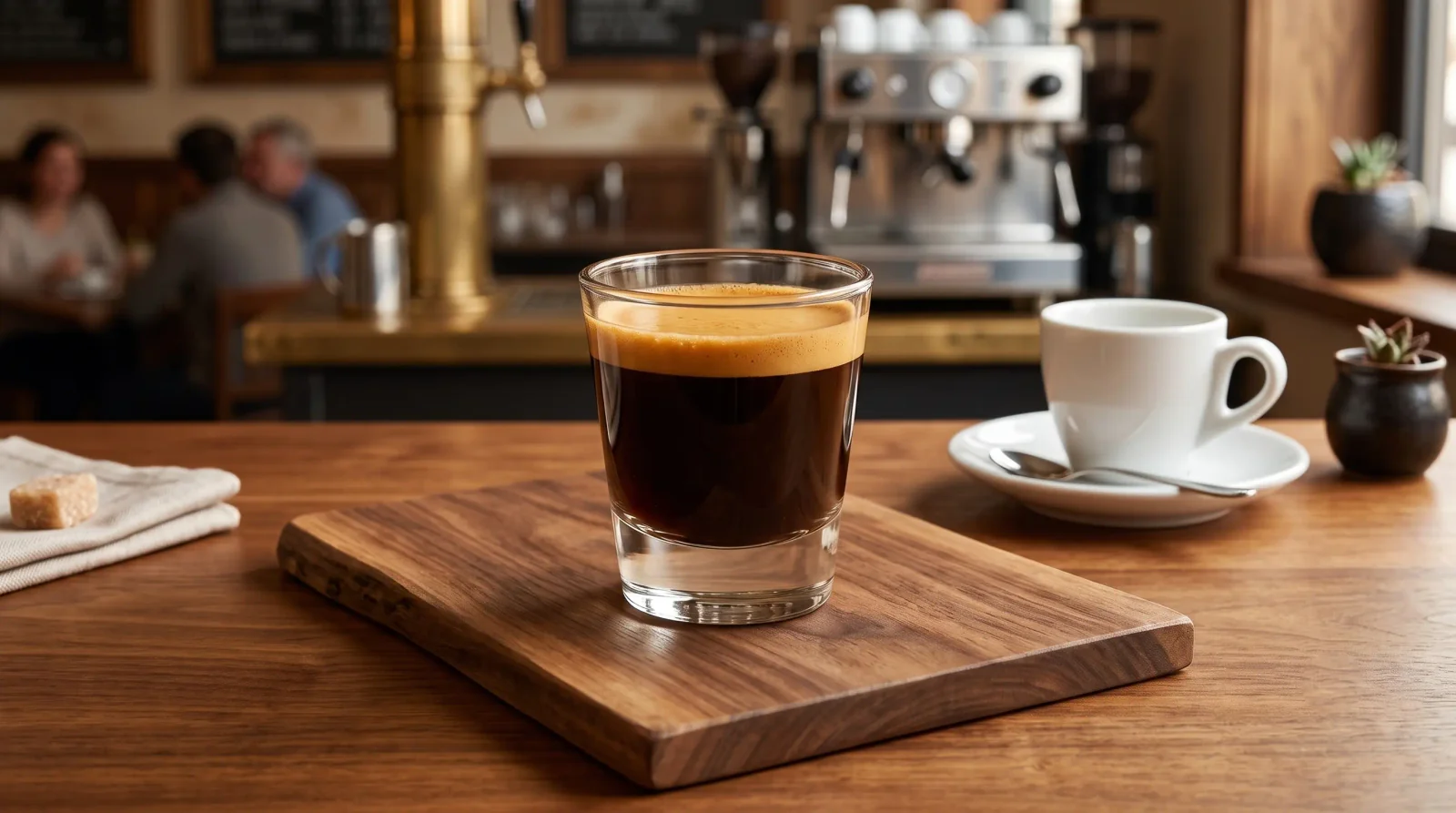
Americano
Espresso · Americano
- balanced
- smooth
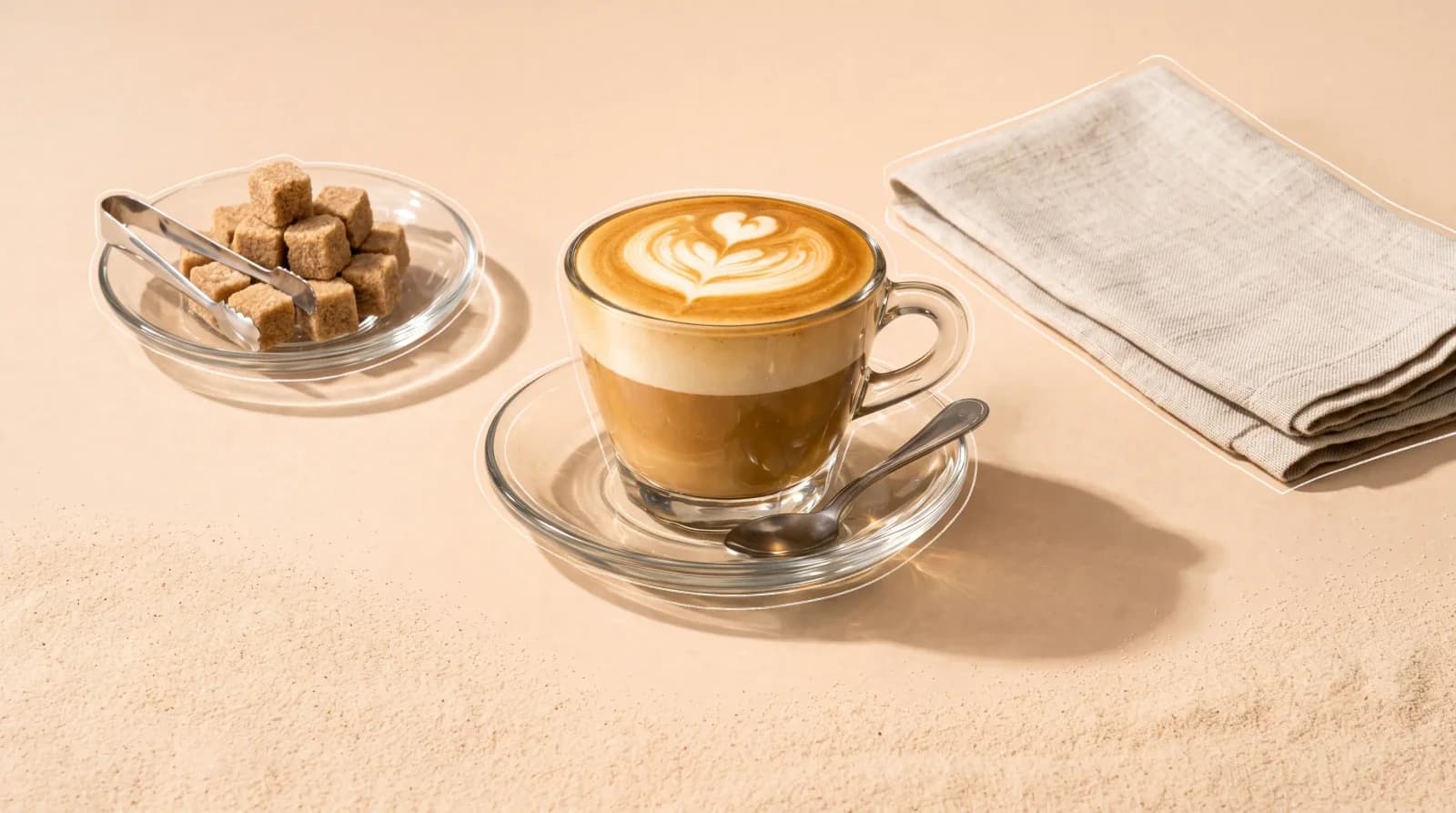
Caffè Latte
Espresso · Caffè Latte
- creamy
- sweet
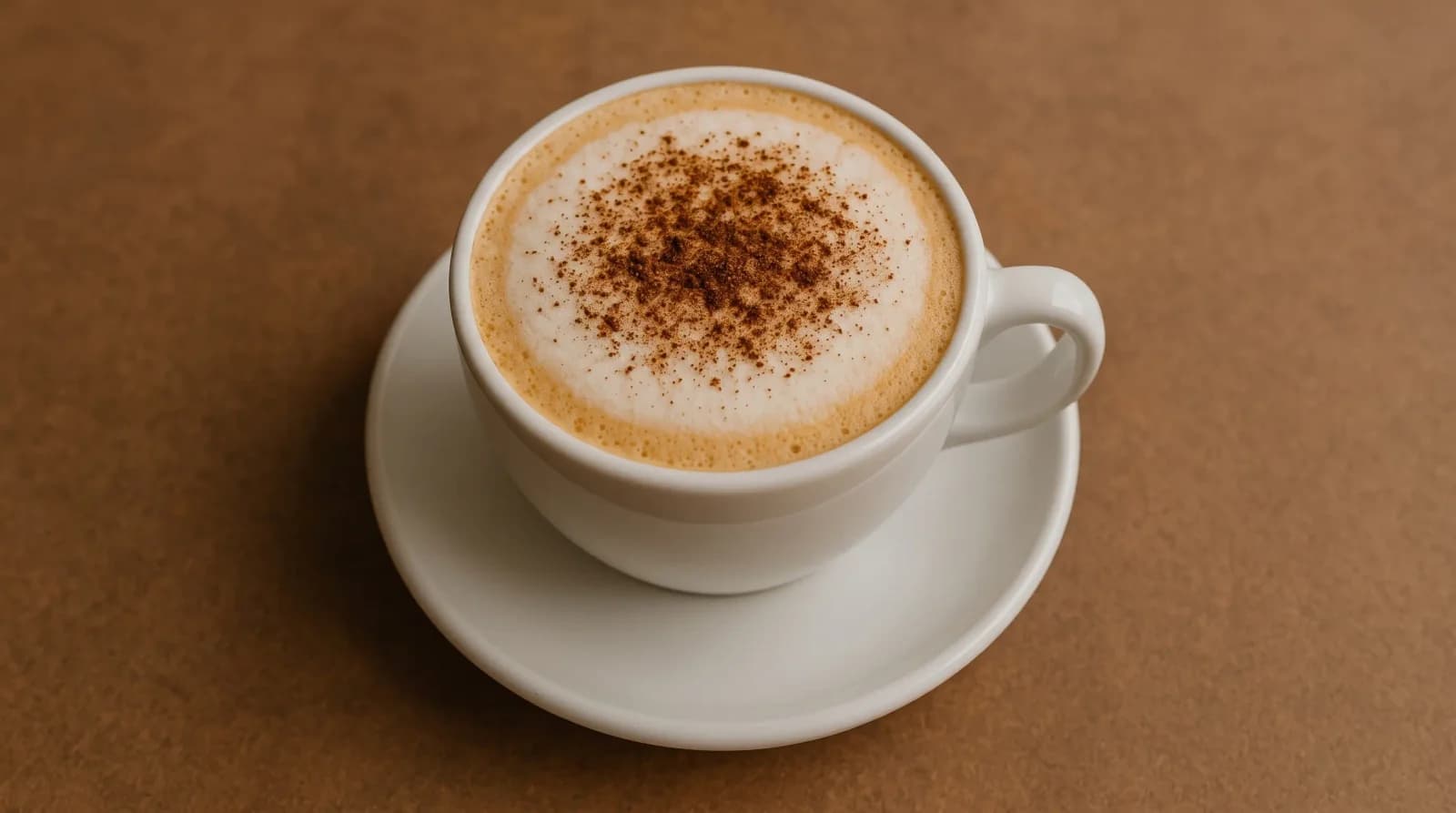
Cappuccino
Espresso · Cappuccino
- creamy
- rich
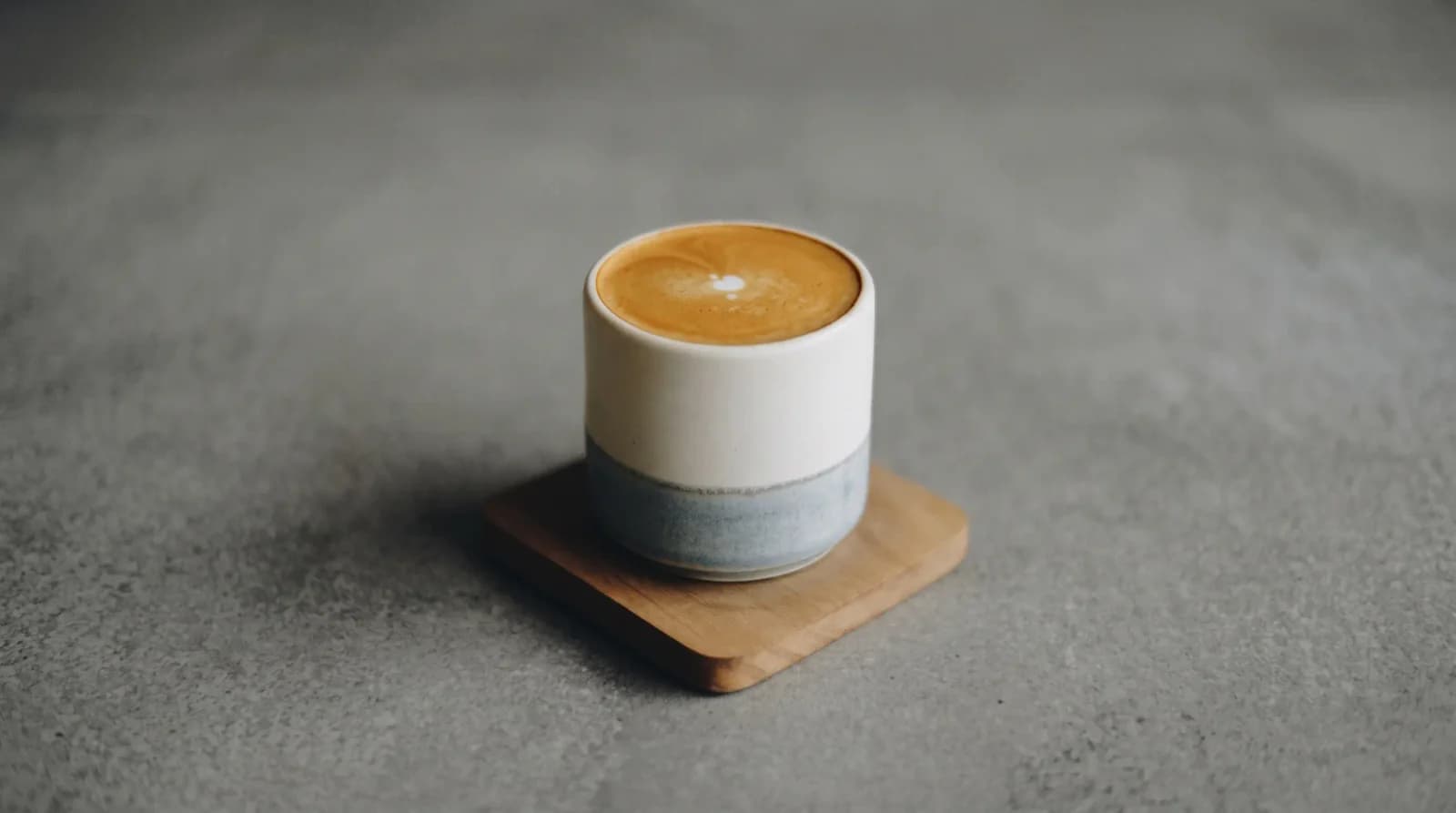
Flat White
Espresso · Flat White
- creamy
- intense
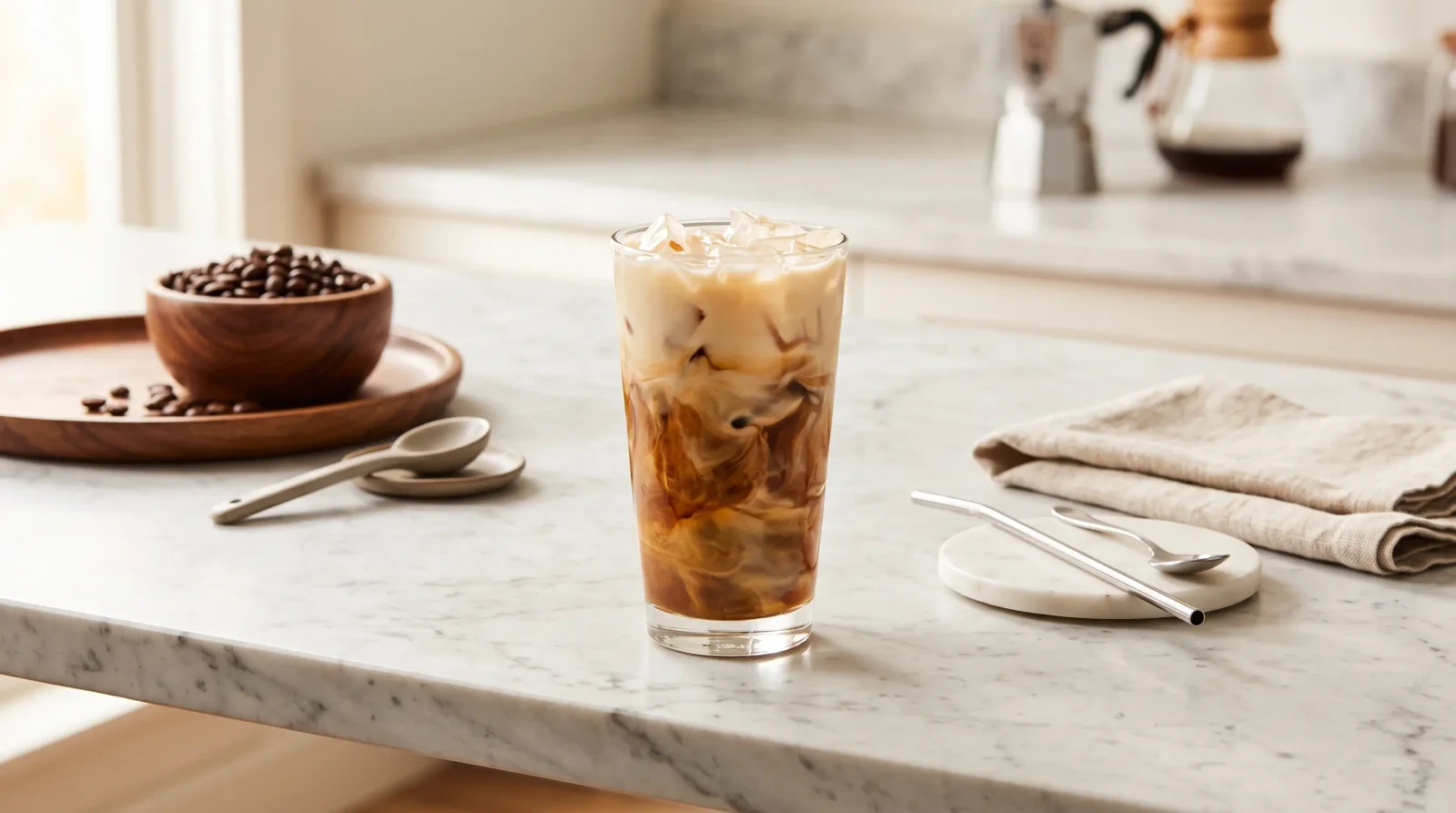
Iced Latte
Espresso · Iced Latte
- creamy
- refreshing
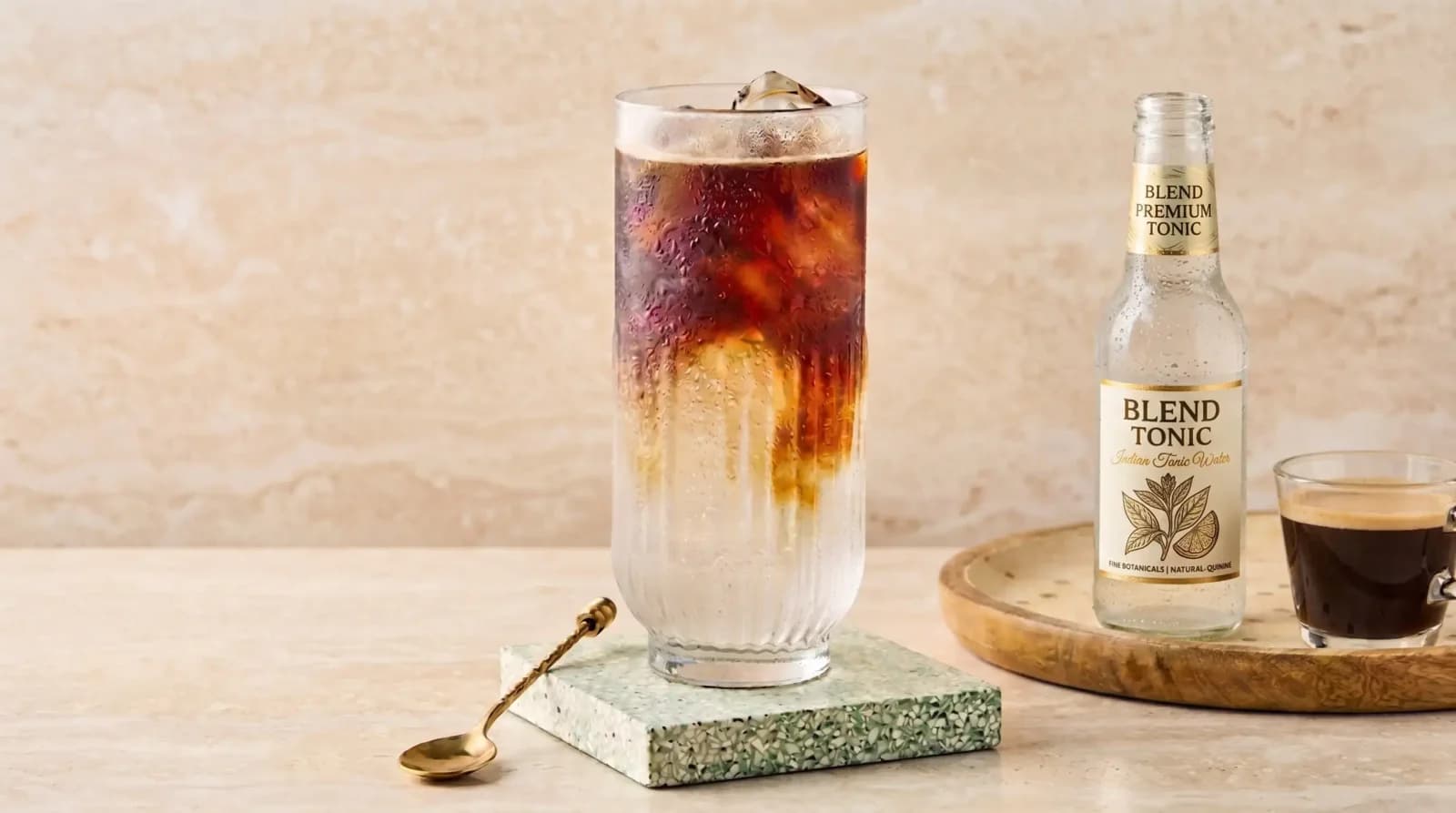
Espresso Tonic
Espresso · Espresso Tonic
- bright
- refreshing
Also in collections
Common questions
What grind size should I use for Espresso?
Aim for a fine — table salt grind, around 6–14/100 on Blend’s 0–100 scale. If the brew runs fast and tastes thin, go finer; if it stalls or turns bitter, go coarser.
What coffee-to-water ratio works best for Espresso?
Between 1:1.5 and 1:2.5 coffee to water. Start near 1:2 and add water for a lighter cup or hold back for more strength.
How hot should the water be for Espresso?
90–96 °C suits Espresso. Within that window hotter water extracts faster. Ease it down if the cup turns harsh, up if it tastes flat.